
Amid the global chip shortage affecting various industries, the printer business faces challenges, leading to Canon’s unconventional step. Due to insufficient chips, Canon now sells ink cartridges without DRM chips, causing its printers to flag official Canon ink as third-party components. This move prompts Canon to guide customers on bypassing DRM warnings, enabling them to continue printing without quality loss.

Reports surfaced when Twitter user @Mariowitte highlighted Canon’s workaround for the chip shortage, revealing that the company is producing toner cartridges without copy protection. Canon’s instructions to customers advise closing error messages indicating unrecognized ink, inadvertently guiding users on using third-party ink. Despite these measures, accurate toner level displays may be affected, potentially causing unexpected ink depletion.

While Canon assures customers of print quality with its ink, unresolved toner level inaccuracies remain a concern. The current leniency in allowing third-party ink usage hints at a temporary policy shift due to chip scarcity. However, industry observers speculate that Canon may revert to discouraging non-Canon cartridges once chip supplies stabilize, reminiscent of HP’s past actions against third-party ink options.
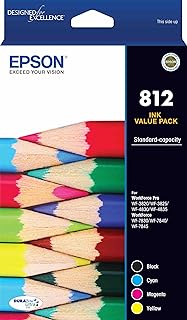
The printer industry’s struggle amid the chip shortage underscores broader supply chain disruptions affecting diverse sectors beyond tech giants. Canon’s transparent response to the ink cartridge dilemma sheds light on the intricate interplay between hardware manufacturers, supply chain dynamics, and consumer choices. As companies navigate the chip crisis, customer preferences and industry practices may evolve, shaping future strategies in the printer market.

Experts suggest that the ink cartridge shortage represents a microcosm of the larger semiconductor supply chain crisis, emphasizing the need for adaptive strategies in managing component shortages. Canon’s temporary shift towards accommodating third-party ink usage reflects a nuanced approach to balancing customer satisfaction with operational constraints during supply chain disruptions. This agile response underscores the importance of flexibility and transparency in addressing unforeseen challenges in the technology sector.

As Canon grapples with the repercussions of the ink cartridge shortage, consumer perceptions of brand loyalty and product quality may undergo scrutiny. The current workaround for DRM chip limitations highlights the delicate balance between intellectual property protection and consumer convenience in the printer industry. Moving forward, industry players may need to reassess traditional practices to adapt to the evolving landscape of supply chain disruptions and technological dependencies.

In conclusion, Canon’s response to the ink cartridge debacle underscores the intricate challenges posed by the global chip shortage on diverse industries, prompting innovative solutions and consumer-oriented strategies. The evolving dynamics in the printer market reflect broader trends in technology supply chains, highlighting the resilience and adaptability required to navigate unforeseen disruptions in the digital age.
📰 Related Articles
- Canon Adapts to Chip Shortage with Ink DRM Workaround
- Canon Adapts to Chip Shortage with Chipless Toner Cartridges
- Ventura County Adapts to Ink Refill Shop Closures
- Canon Printer Vulnerability Allows Remote Code Execution Risks
- Canon Printer Owners Struggle with Ink Cartridge Authentication Issue