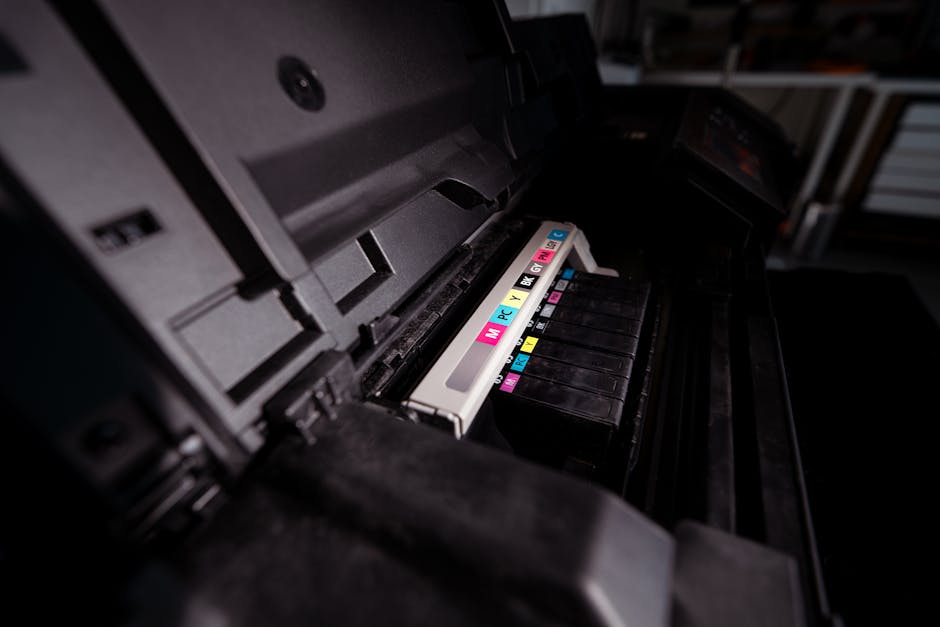
Digital printing technology has significantly impacted the flooring industry, offering unparalleled realism, design flexibility, and operational efficiency. The Classen Group, a pioneer in digital printing for over 15 years, emphasizes the transformative nature of this technology in product development. Eric Ruppert from Engineered Floors echoes this sentiment, highlighting how digital printing has revolutionized design approaches and consumer preferences.
The tile category was among the first to adopt digital printing, leveraging its capabilities to achieve realistic visuals akin to natural materials like wood and stone. This advancement has driven market growth for porcelain and ceramic tiles in both residential and commercial applications. Laura Grilli of Dal-Tile underlines the importance of tactile development in digital technology, emphasizing the industry transformation it has brought through hyper-realistic designs and lifelike surfaces.
For many flooring manufacturers, digital printing has become a fundamental aspect of their design processes. Derek Welbourn of Inhaus notes that digital printing has become their primary design language, enabling swift development and production flexibility. Ben Wood from EF points out the evolution of digital printing in terms of print resolution, ink durability, and integration with other manufacturing processes, enhancing the realism of flooring products.
Floris Koopmans from Unilin Technologies discusses how direct-to-board digital structuring eliminates the need for traditional décor materials, enhancing design realism and reducing supply chain dependencies. This shift has reshaped the manufacturing landscape, emphasizing the importance of investing in digital printing technology to stay competitive and meet evolving consumer demands.
The introduction of advanced visuals through digital printing has expanded the customer base for categories like vinyl, laminate, and tile. Architects and interior designers now have the freedom to create bespoke designs previously unattainable with conventional printing methods. Digital printing has attracted new consumer segments seeking high-end visuals and practical benefits in resilient flooring products, as exemplified by EF’s PureGrain HighDef line.
United Surfaces, like many other manufacturers, has benefited from digital printing technology by expanding its partner pool and market reach. Significant investments in digital printing infrastructure have been made by leading companies such as Classen, Engineered Floors, and Inhaus to drive innovation and elevate design capabilities. MSI has introduced collections that showcase realism and next-generation aesthetics, aligning with the industry’s shift towards digitally printed flooring solutions.
The ongoing evolution of digital printing technology underscores its pivotal role in shaping the future of the flooring industry. Manufacturers continue to invest in advanced printing systems to enhance design realism, color accuracy, and production efficiency. The adoption of digital printing has not only transformed product aesthetics but also redefined consumer preferences, market positioning, and industry competitiveness.
📰 Related Articles
- How Linerless Printing Revolutionizes Efficiency in Labeling Industry
- WMF Revolutionizes Coffee Industry with Innovative Vegan Milk Solutions
- Victorian Government’s Digital Jobs Program Boosts Industry Competitiveness
- Sustainable Gift Packaging Revolutionizes Industry with Eco-Friendly Solutions
- Soy Protein Revolutionizes Food Industry Innovation and Sustainability