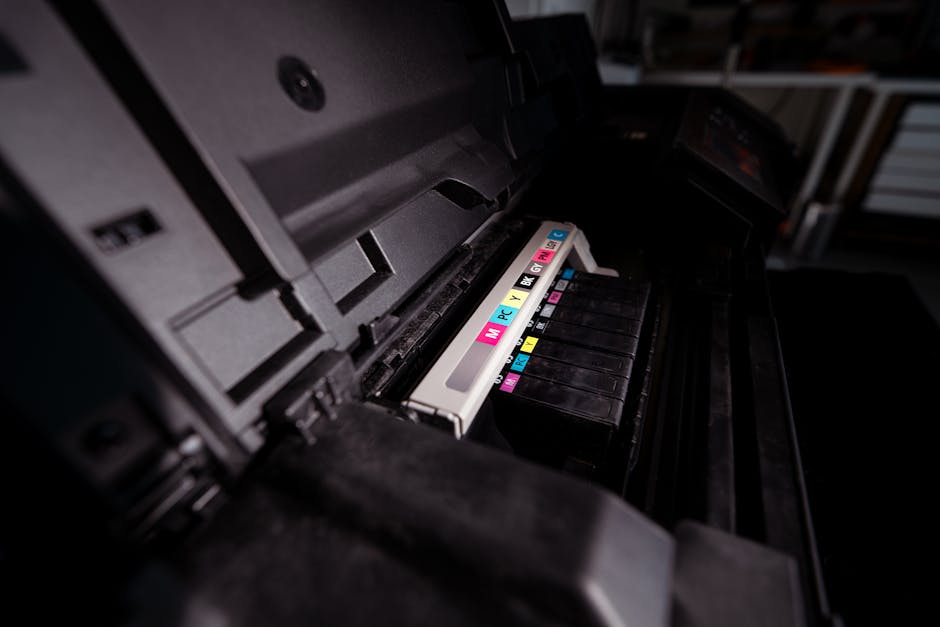
Printing technology has come a long way in recent years, with the latest printer ink innovations revolutionizing the industry. From digital printing to AI-powered workflows, the printing industry is experiencing a wave of advancements that are improving efficiency, reducing waste, enhancing personalization, and transforming the future of printing.
One of the top trends in the printing industry is custom and personalized printing. With the rise of print-on-demand services, AI-driven personalization, and eco-friendly materials, the market is expected to reach a staggering USD 68.5 billion by 2030, growing at a compound annual growth rate of 10.3%. This trend is driven by consumer demand for unique, personalized products that reflect their individual style and preferences.
Another key trend is the integration of AI in printing workflows. AI is advancing automation, predictive maintenance, and quality control in the printing industry, with the market expected to reach USD 34.8 billion by 2033. This technology is streamlining processes, reducing costs, and improving overall efficiency in printing operations.
Digital printing expansion is also a major trend in the industry, driven by the demand for short-run, personalized, and packaging-driven printing. The digital printing market is projected to grow to USD 59.9 billion by 2034, as more companies embrace the flexibility and cost-effectiveness of digital printing technology.
3D printing, or additive manufacturing, is another area of significant growth in the printing industry. Once used primarily for prototyping, 3D printing is now expanding to mass production, with the market expected to reach USD 134.6 billion by 2034. This technology is revolutionizing manufacturing processes and opening up new possibilities for creating complex, customized products.
One of the most important trends in the printing industry is the focus on sustainable printing practices. There is a growing demand for bio-based inks, recyclable substrates, and energy-efficient technologies, with the market expected to reach USD 3.35 billion by 2030. Companies are increasingly recognizing the importance of minimizing their environmental impact and are investing in sustainable printing solutions.
The rise of Web-to-Print (W2P) solutions is also driving innovation in the industry. Online design tools, augmented reality previews, and personalized solutions are propelling the W2P market to USD 35.1 billion by 2030, with 72% of companies already adopting W2P technologies. This trend is making printing more accessible and convenient for consumers, while also streamlining the printing process for businesses.
Advanced cloud printing technologies are also on the rise, driven by the shift to hybrid work environments and the need for secure, efficient printing workflows. The market for cloud printing is expected to grow from USD 6.07 billion in 2025 to USD 12.9 billion by 2032, with the introduction of serverless, IoT-enabled solutions that are revolutionizing how printing is done.
Print security is another area of focus in the industry, as rising cyber risks drive innovation in security technologies. Encrypted QR codes, luminescent inks, and blockchain are being used to protect sensitive information and prevent counterfeiting, with the market expected to reach USD 62.6 billion by 2032. As printing technology becomes more advanced, ensuring the security of printed materials is becoming increasingly important.
Print-on-demand services are also experiencing rapid growth, fueled by the rise of e-commerce and AI-powered automation. The market for print-on-demand services is projected to grow from USD 8.3 billion in 2025 to USD 59.3 billion by 2033, with a compound annual growth rate of 27.8%. This trend is making it easier for businesses to create custom products on demand, reducing waste and inventory costs.
Hybrid printing is another trend to watch, as companies look to combine the flexibility of digital printing with the quality of analog printing. The market for hybrid printing is expected to reach USD 16.5 billion by 2034, with a focus on QR codes, variable data printing, and high-quality short runs. This trend is allowing companies to create sophisticated, customized products that meet the needs of today's consumers.
Overall, the latest innovations in printer ink are reshaping the printing industry, offering new possibilities for customization, efficiency, and sustainability. As technology continues to advance, we can expect to see even more exciting developments in the years to come, transforming the way we think about printing and design.