Key Takeaways
- Printers remain unreliable due to manufacturers' profit strategies and usability issues.
- Higher costs and software issues are major concerns for home printer users.
- Subscription-based models may not always improve the printing experience.
The Frustrating World of Home Printers
In a world where technology is constantly evolving, home printers seem to be stuck in a time warp. Despite advancements in other devices, printers continue to frustrate users with a myriad of issues, from low-quality prints to connectivity errors. Why do printers still feel so bad in 2026?
The Profit Game: Manufacturers vs. Users
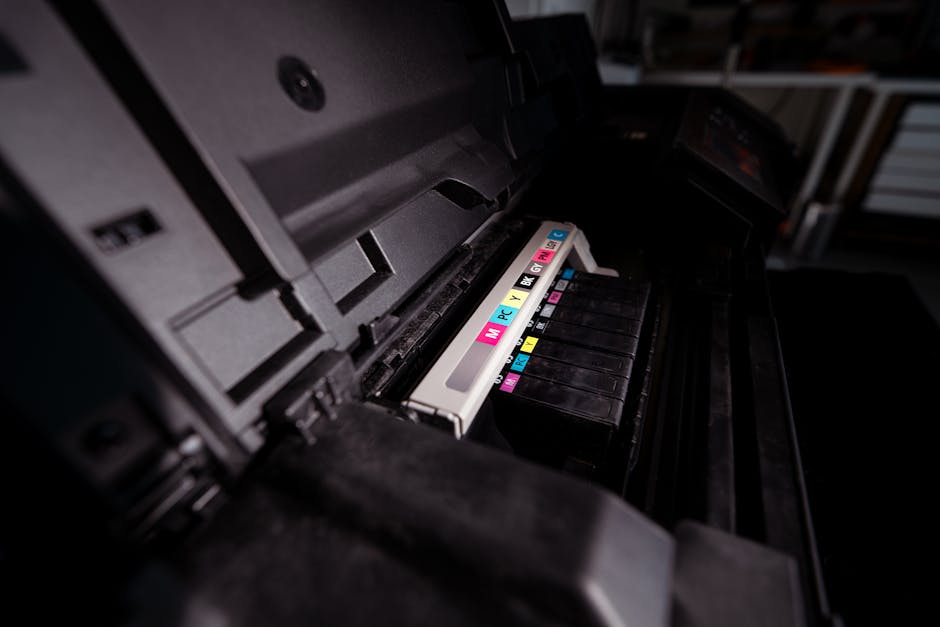
One of the reasons behind the unreliability of printers lies in the profit strategies of manufacturers. By selling printers at a loss and making profits from recurring cartridge sales, manufacturers often prioritize their bottom line over user experience. This is why many printers do not support third-party cartridges, leading to higher costs for users.
The Cost Conundrum and Software Woes
Printing at home may offer convenience, but it comes at a price. The high cost of ink and toner, coupled with issues like automatic print head cleaning and inaccurate ink level estimations, can quickly add up for users. Subscription-based models, while promising improved printing experiences, come with their own set of problems, such as the need for constant internet connectivity and a lack of transparency in pricing.
The Future of Home Printing
As users continue to grapple with ink cartridge issues and software glitches, the future of home printing remains uncertain. While advancements in technology may eventually address some of these challenges, it's clear that the printing industry needs to prioritize user experience and affordability to win back disillusioned users. Until then, troubleshooting ink cartridge issues and navigating software complexities will remain a frustrating reality for home printer users.