
Agriculture and technology intersect in a groundbreaking development as biodegradable sensors emerge as a potential game-changer for farmers and environmentalists. These innovative sensors, a collaboration between Glasgow University and the Łukasiewicz Institute of Microelectronics and Photonic, are crafted from electronic materials that break down into plant nutrients, serving as a natural fertiliser for crops. Project lead Professor Jeff Kettle emphasizes the urgency of sustainable digital agriculture, highlighting the environmental impact of electronic waste and the need for eco-friendly solutions.
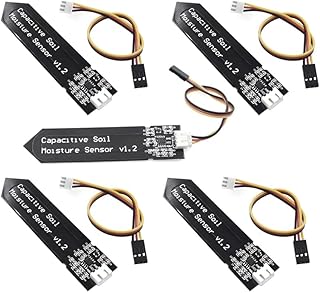
The versatile sensors, designed to detect key indicators of plant growth and soil health, offer a promising solution to the mounting issue of electronic waste in the agricultural sector. By integrating biodegradable components with traditional electronics, the team aims to enhance the sustainability of digital agriculture practices while reducing the environmental footprint of electronic devices.

Published in ACS Applied Electronic Materials, the research details the production of digital agriculture sensors using sustainable materials. These sensors, manufactured through a screen printing process, feature conductive tracks on a biodegradable polymer substrate, layered with molybdenum disulfide for sensing capabilities. The entire sensor naturally decomposes into plant nutrients, aligning with the ethos of eco-conscious farming.

Functionally, these sensors are capable of monitoring soil pH levels and detecting contaminants like ethephon, a plant growth regulator. The data collected by these sensors can be wirelessly transmitted to computers, enabling farmers to gain valuable insights into crop health and environmental conditions. The sensors’ ability to disintegrate into essential nutrients post-use further underscores their ecological benefits.

The research, part of the TESLA project funded by UKRI and CHIST-ERA, represents a significant step towards sustainable agricultural practices. With support from organizations like the Engineering and Physical Sciences Research Council and the São Paulo Research Foundation, this initiative signals a shift towards eco-friendly technologies in the farming industry.

These biodegradable sensors not only offer a practical solution for farmers but also hold broader implications for reducing electronic waste globally. By leveraging low-cost, energy-efficient manufacturing processes, such as screen printing, the scalability of these sensors for widespread adoption in digital agriculture becomes increasingly viable.

As the world grapples with the challenges of sustainability and environmental stewardship, innovations like biodegradable sensors offer a glimpse into a more eco-conscious future. By marrying technology with ecological principles, researchers pave the way for a greener, more sustainable approach to agriculture and electronic waste management.
📰 Related Articles
- Yanmar, Chia Tai, and XAG Revolutionize Thai Agriculture
- XtalPi & Kula Bio Partner to Revolutionize Arid Agriculture
- Web3 Domains Revolutionize Security for AI Agents in Digital Economy
- Social Entrepreneurs Revolutionize Waste with Designer Furniture Showcase
- Retribe’s Sustainable Mission: Repurposing Festival Tents to Combat Waste