
Sustainability in retail is evolving from a mere trend to an essential practice. Brands are now expected to prioritize waste reduction, transparency, and responsible operations. While many sustainability solutions require significant investments and operational changes, one technology stands out as accessible and effective: QR codes. These dynamic codes are revolutionizing retail by helping brands lower their environmental impact, reduce waste, and enhance communication with eco-conscious consumers.

Packaging poses a significant environmental challenge for the retail industry. Traditional static packaging limits brands in updating information, adding certifications, or correcting errors without reprinting and generating more waste. Dynamic QR codes offer a solution by allowing brands to update information, provide transparency on ingredients and sourcing, and share additional details without the need for new physical packaging. This shift not only reduces waste but also transforms packaging into a flexible communication channel.

Consumers are increasingly demanding transparency in their purchasing decisions, wanting to know the origins and impacts of the products they buy. However, limited packaging space constrains brands in providing comprehensive information. QR codes offer unlimited space to share stories on ingredient sourcing, certifications, environmental impacts, and care instructions, turning abstract sustainability concepts into tangible information that empowers consumer choices.
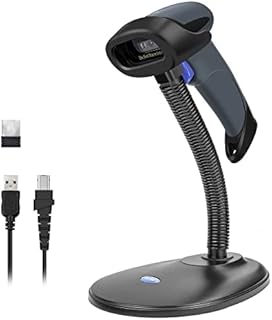
Extending the lifespan of products is a crucial aspect of sustainability, and QR codes facilitate circularity by offering incentives for refills, maintenance tutorials, repair instructions, and digital warranties. By keeping products in use for longer periods, brands can reduce disposability and promote long-term value for consumers.

Printing has its own environmental cost, contributing to carbon emissions, material waste, and energy consumption. Dynamic QR systems help reduce the carbon footprint associated with printing by minimizing reprints, transportation emissions, and material waste. This shift towards digital communication not only benefits the environment but also streamlines customer education and support processes.

QR-powered sustainability offers a clean and straightforward consumer experience, eliminating the need for complex apps or interfaces. Customers can easily scan a QR code to access relevant information, fostering understanding and engagement. In a retail landscape where consumers seek authenticity and substance, dynamic QR codes provide a platform for brands to demonstrate honesty, adaptability, and long-term commitment to sustainability.
As the sustainability conversation matures in retail, consumers expect more than surface-level gestures from brands. Dynamic QR codes enable brands to meet these expectations by offering a platform for transparent communication, education, and responsible decision-making. By leveraging this technology, retailers can make meaningful strides towards reducing waste, enhancing consumer engagement, and supporting a cleaner, more sustainable future.
📰 Related Articles
- Retail Industry Embraces AI, Sustainability, and Innovative Solutions
- Innovative QR Codes Streamline Wedding RSVP Process in Australia
- E-bike Innovations Revolutionize Urban Mobility and Sustainability
- iDream Interactive’s Runeborn Set to Revolutionize Gaming Landscape
- Zero-Waste Advocates Revolutionize Children’s Parties with Reusable Kits