
HP’s Instant Ink subscription service faced backlash when a TikToker revealed her printer abruptly stopped working. Mags, known as @maginherbag, ranted about the issue, garnering over 3.1 million views. She highlighted a crucial aspect of HP’s program: once the billing cycle ends, users are unable to print with ink obtained through Instant Ink.

The subscription model resembles streaming services, ensuring cartridges are constantly monitored for ink levels. If the subscription lapses or internet connectivity falters, the cartridges become unusable, regardless of ink quantity. This feature, though intended to simplify ink replenishment, can render fully stocked cartridges ineffective due to software restrictions.

Mags’ video sparked a wave of responses, with viewers suggesting alternative printer brands like Epson Ecotank, praised for cost-efficient ink and longevity. Some users found the concept of printer subscriptions unsettling, deeming it a facet of the modern subscription frenzy. However, defenders of HP Instant Ink touted its affordability and convenience, countering the negative sentiment.

Printer subscription services have introduced a new dimension to the tech market, prompting debates on consumer choice and reliance on manufacturer-controlled ink access. The controversy surrounding HP’s Instant Ink program sheds light on the evolving landscape of printer ownership and the impact of subscription-based models on user experience.
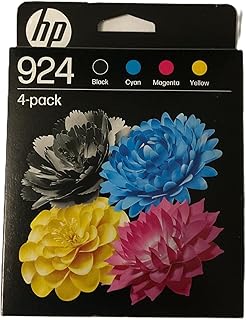
The intersection of technology and consumerism continues to evolve, with subscription services reshaping conventional product ownership. The convenience of automated ink replenishment comes with the caveat of dependency on a subscription model, raising concerns about user autonomy and long-term cost implications.

As the discussion around HP’s Instant Ink unfolds, it underscores broader questions about the future of printer technology and the balance between convenience and control in the digital age. Consumer experiences with subscription services like Instant Ink serve as a microcosm of evolving consumer dynamics in an increasingly connected world.

The emergence of subscription-based printer services reflects a broader trend in the tech industry, where companies seek to establish recurring revenue streams through service-oriented models. While such approaches offer benefits like cost predictability and convenience, they also introduce complexities around user choice and product accessibility.
With the proliferation of subscription services across various sectors, consumers are navigating a shifting landscape of ownership and access. The case of HP’s Instant Ink program highlights the nuanced dynamics of subscription-based models in traditional product domains, prompting reflections on the evolving nature of consumer relationships with technology.
As the debate over HP’s Instant Ink program continues, it underscores the importance of transparency and user empowerment in subscription-based services. Balancing the convenience of automated ink delivery with user control and flexibility remains a key challenge for companies seeking to innovate in the printer market.
📰 Related Articles
- HP Instant Ink Price Hike Sparks Customer Backlash
- Whip Controversy Surrounding Jockey Alvarado’s Kentucky Derby Win Sparks Debate
- Jim Chalmers’ Super Tax Plan Sparks Controversy and Debate
- Influencer Wedding Cake Controversy Sparks Online Debate
- HP Smart Tank 6001 Printer: Huge Discount with 2 Years’ Ink