
In the 1970s, petroleum-based ink dominated the market due to limited vegetable oil supply. However, as petroleum prices surged in the late 1970s, the Newspaper Association of America sought a cheaper alternative and experimented with soybean oil, leading to the successful use of soy-based ink in The Gazette in 1987.

Despite most US newspaper printers still relying on petroleum-based ink, there is a growing push towards environmentally friendly options like soy-based ink. This shift is driven by consumer demand for greener alternatives.

Soy-based ink offers sustainability benefits as it is derived from renewable soybean oil, in contrast to finite petroleum resources. The lower carbon footprint of soy ink is attributed to plants absorbing carbon during growth, reducing atmospheric carbon levels.

Moreover, soy ink emits fewer volatile organic compounds (VOCs) than petroleum-based inks, which can have adverse effects on human health and the environment. Soy ink is also biodegradable, facilitating easier recycling of printed materials.
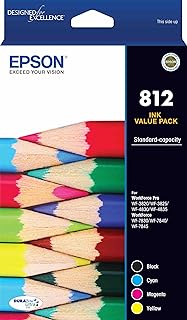
However, the production of soybeans for ink raises concerns about monoculture farming practices and pesticide use, impacting biodiversity. Despite being slightly more expensive than petroleum-based inks, the environmental benefits of soy ink are driving its adoption.

When it comes to printing quality, soy ink offers advantages such as vibrant colors and reduced ink usage. Its clearer composition requires less pigment for color intensity, making it visually appealing and cost-effective for printing materials.

Over 90% of US daily newspapers use color soy ink, indicating a gradual industry shift towards eco-friendly options. Certification marks like “Printed with Soy Ink” ensure compliance with soy ink standards, promoting its wider adoption.
While soy ink presents environmental advantages, addressing overconsumption remains crucial to reducing overall environmental impacts. Simple actions like choosing secondhand products can complement sustainability efforts in reducing packaging and ink usage.
In conclusion, the transition from petroleum-based ink to soy-based ink reflects a broader shift towards eco-friendly practices in the printing industry. As sustainability gains importance, the adoption of greener ink options like soy ink is poised to grow, aligning with environmental conservation goals.
📰 Related Articles
- Pet Care Industry Embraces Sustainability for Eco-Friendly Practices
- Global Travel Industry Embraces Sustainability for Eco-Friendly Experiences
- Why Printer Ink Prices Soar: Unveiling Industry Secrets
- University of Waterloo Develops Eco-Friendly Graphene Ink for 3D Printing
- US and Europe Solar Trends Diverge Amid Industry Shifts