
In the modern workplace, the concept of a paperless office has long been an idealistic goal, driven by environmental concerns and efficiency demands. The onset of the pandemic further pushed organizations towards digital solutions, yet the trend of paper consumption continues to rise. Surprisingly, US companies have escalated their paper usage by a substantial margin since the early 2000s, posing challenges not only in terms of costs but also productivity.

Amidst the push for digitization, the reliance on physical documents persists due to legal obligations in various regions. For instance, in the UK, businesses are mandated to retain financial records for a specified period, underscoring the enduring presence of paper in office environments. While the aspiration for a completely paperless setup remains, the pragmatic approach acknowledges the continued role of paper within corporate operations.

Efforts to balance sustainability, cost-effectiveness, and efficiency often lead organizations to invest in advanced office printers. Leasing equipment can provide access to cutting-edge, energy-efficient models at a reasonable cost per page. However, the decision between leasing and owning equipment requires careful consideration of factors such as budget, expected workload, and resource allocation.

Printers play a crucial role in shaping printing efficiency and sustainability. Printer drivers, the software that facilitates communication between computers and printers, influence energy consumption and printing speed. Selecting drivers that support features like low-power states and duplex printing can significantly impact resource utilization and waste reduction.
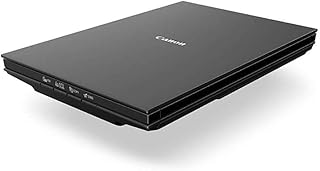
When it comes to connectivity, the choice between wired and wireless printing can affect operational efficiency and security. While wired connections offer reliability and speed, wireless setups cater to mobile printing needs. Implementing Wi-Fi printing necessitates a strategic approach to prevent security vulnerabilities and ensure seamless operation.

Transitioning from paper prints to digital formats like PDFs presents a practical solution to reduce paper consumption. While PDF tools offer versatility, organizations must navigate through potential security risks associated with certain software installations. Moreover, the shift towards server-based PDF solutions demands careful evaluation of data security and cost considerations.

Despite advancements in digital technologies, the prevalence of paper in office environments persists, driven by regulatory requirements and operational needs. Implementing strategies such as centralized controls, printing quotas, and internal accounting can help mitigate paper waste and enhance cost efficiency. As organizations strive for greater sustainability and productivity, finding the right balance between digital and physical documentation remains a key challenge in the contemporary workplace.
📰 Related Articles
- Sydney Prefab Home Showcases Modern Design and Efficiency
- Surrey Schools Face Paper Shortage Amid Funding Challenges
- South Africa’s Digital Transformation: Navigating Challenges for Inclusive Growth
- Slyp’s Digital Receipts: Revolutionizing Transaction Efficiency and Sustainability
- Platinum Market Dynamics: Balancing Demand and Supply Challenges